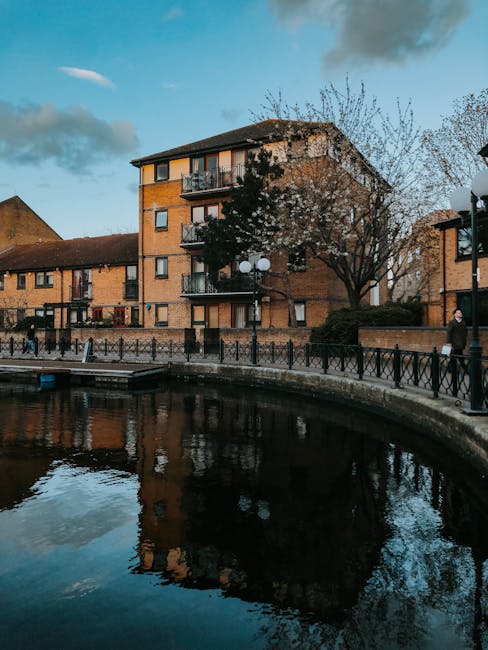
Surrey Quays SE16 removals for riverside apartments: a practical guide for smooth, low-stress moving
If you are planning Surrey Quays SE16 removals for riverside apartments, you are probably juggling more than boxes. You may be dealing with lift bookings, concierge rules, tight parking, awkward hallways, or a lovely view that comes with one very real headache: moving day logistics. To be fair, that is exactly where a well-planned removal makes all the difference.
This guide walks you through what matters, how apartment moves work in this part of SE16, and how to reduce stress without overcomplicating the job. Whether you are moving into a modern waterfront flat, downsizing, or clearing a home office before completion day, you will find practical advice here that actually helps.
For readers comparing options, it can also help to look at broader flat removals and trusted removal services so you can match the move size to the right support.
Why Surrey Quays SE16 removals for riverside apartments Matters
Riverside apartment blocks in Surrey Quays often feel easy on paper and slightly less easy in real life. They may have shared entrances, lift-only access, loading restrictions, or management rules that affect timing. Some developments are straightforward; others need a bit of local know-how. That is the short version.
The main challenge is rarely the distance of the move. It is usually the building environment. A sofa that would be simple in a terraced house can become a puzzle in a narrow lift lobby at 8:00 a.m., with neighbours trying to get to work and a porter asking who booked the loading bay. If that sounds familiar, you are not alone.
In riverside SE16 properties, the move often needs to balance speed, care, and courtesy. You want items protected from knocks and damp weather, but you also need to keep communal areas clear and avoid delaying the building's day-to-day rhythm. That is especially important in busy developments where residents come and go all morning.
Another reason this matters is damage prevention. Apartment moves tend to involve more touchpoints: lifts, corridors, door frames, floor protection, and carrying items through shared spaces. The more controlled the process, the lower the risk of scratches, breakages, and awkward disputes after the fact. Nobody wants that. Not you, not the building team, not the movers.
Expert summary: Riverside apartment removals are less about brute force and more about planning, timing, access control, and careful handling. When those pieces are in place, the move feels calmer and usually runs faster too.
If you are still weighing up service levels, it can be useful to compare man and van support with a more complete move through removals. The right choice depends on volume, lift access, and how much help you need on the day.
How Surrey Quays SE16 removals for riverside apartments Works
A good apartment move usually follows a fairly simple sequence, though the details matter. First comes the survey or quote stage, where the mover assesses volume, access, and any special requirements. Then comes the preparation stage: packing, labelling, booking the building lift if needed, and checking parking or loading arrangements.
On the day, the team arrives with the right vehicle, tools, blankets, straps, and protection materials. In many cases, one of the first jobs is to protect floors and walls before moving anything large. That sounds small, but it makes a big difference when furniture is being rotated through tight corners.
For riverside apartments, timing is often the hidden factor. A move scheduled for mid-morning may be easier than one that clashes with peak commuter traffic or a building's restricted access window. Some developments are fine with this, others have specific booking slots. It pays to check in advance, honestly.
Once loading begins, the team will usually prioritise the largest or most awkward pieces first. Sofas, wardrobes, bed frames, white goods, and heavy boxes are placed strategically in the van or truck so everything travels safely. If there is a lift involved, items are moved in an order that keeps the route efficient and avoids unnecessary trips.
After unloading, the final stage is placement. This is where a calm, experienced mover really earns their keep. Instead of leaving everything in one mountain of boxes in the living room, the team will usually place items room by room, which makes your first evening far less chaotic. You will notice the difference the moment you walk in.
For residents who need furniture cleared as part of the move, furniture removals and, where appropriate, furniture pick-up can be useful additions, especially if you are replacing bulky pieces rather than taking everything with you.
Key Benefits and Practical Advantages
The biggest benefit of using a move plan designed for riverside apartments is simple: less friction. When the team understands apartment access, shared spaces, and building rules, the move tends to feel controlled instead of rushed.
- Less stress on moving day: fewer surprises with lifts, parking, and timings.
- Better protection for belongings: proper wrapping and lifting methods reduce damage risk.
- Cleaner shared spaces: floor runners and careful handling help protect hallways and entrances.
- Faster loading and unloading: good planning avoids pointless back-and-forth.
- More flexibility: you can match the service to your property size and move complexity.
There is also a mental benefit that people often overlook. Once the access details are handled, you can focus on the actual move rather than worrying about whether the van can stop outside or whether the lift is booked. That removes a surprising amount of pressure. I have seen people visibly relax just because the arrival time and access route were confirmed properly.
For smaller riverside flats, a simple removal van setup may be enough. For larger two- or three-bedroom apartments, a bigger vehicle such as a moving truck or a more structured move through a removal company may be more practical.
Who This Is For and When It Makes Sense
This kind of move suits a wide range of people, but it is especially relevant if you live in a managed apartment block, a riverside development, or a modern SE16 flat with shared access. If your building has lift booking rules, concierge staff, or designated loading areas, you are squarely in the target group.
It also makes sense if you are moving:
- from a one-bedroom or two-bedroom apartment with furniture that needs careful handling
- into a higher-floor flat with lift access only
- out of a riverside property where parking is limited
- with valuable items such as mirrors, media units, artwork, or a piano
- on a tight schedule, perhaps around completion, tenancy handover, or work commitments
Truth be told, apartment removals are often underestimated by first-time movers. A small-looking flat can still take a fair amount of time if you have compact storage, awkward furniture, or lots of boxed-up bits from everyday life. Books, kitchenware, cables, chargers, plants. The little things fill a van faster than people expect.
If your move is student-based, very compact, or just a quick local relocation, something leaner like student removals or a flexible man with van service may be enough. If it is a family home scaled down into a riverside apartment, you may need the broader scope of home moves.
Step-by-Step Guidance
Here is a practical way to approach the move without turning it into a big drama.
- Confirm building access early. Ask about lift booking, loading bay arrangements, entry codes, and any time restrictions.
- Measure the awkward items. Sofas, beds, wardrobes, and dining tables are the usual troublemakers.
- Choose the right moving support. Match the vehicle and crew size to your property and volume.
- Pack by room and label clearly. This saves time when boxes arrive in the new flat.
- Protect fragile items properly. Use wrapping, cushioning, and sturdy boxes, especially for glass and ceramics.
- Plan the sequence of loading. Big items first, then boxed items, then anything delicate or last-minute.
- Walk the route in your head. From flat door to lift to loading point. It sounds obvious, but it helps.
- Do a final sweep. Check cupboards, balconies, utility cupboards, and behind doors. People always miss one charger, at least one.
One useful clarification: apartment moves are often smoother when the packing is finished the day before. If you are still taping boxes while the movers are at the door, the day tends to feel rushed. Not impossible, just messier.
For people who want help on both ends, packing and boxes and packing and unpacking services can be a smart way to save time without losing control of the process.
Expert Tips for Better Results
There are a few small things that make a disproportionate difference in riverside apartment removals. The move itself may be local, but local does not mean simple.
- Keep the lift clear where possible. If you know a lift booking exists, avoid stacking items in the lobby too early.
- Use uniform box sizes for most items. They stack better and reduce wasted van space.
- Separate essentials. Medication, documents, chargers, kettle, and a change of clothes should travel with you.
- Protect floor surfaces. Gloss floors, pale carpets, and shared entrance tiles show scuffs quickly.
- Label by room and priority. "Kitchen - first night" is more useful than just "misc".
- Speak to building management early. A quick call can save a lot of last-minute scrambling.
Here is a tiny but real-world tip: keep one small bag of tools handy. Allen keys, scissors, tape, phone charger, and a pen. It sounds a bit odd until you need to dismantle a bed frame at 9:30 p.m. and suddenly the whole evening depends on a missing screwdriver. Happens more than people admit.
If there is a particularly heavy or valuable item, such as a keyboard instrument, look at piano removals. For moves with uncertain timing or gaps between tenancies, storage can also be a sensible buffer.
Common Mistakes to Avoid
Most moving problems are not dramatic disasters. They are small avoidable things that stack up. That is why a bit of discipline goes a long way.
- Leaving access arrangements until the day before. This is the big one. Building rules can be strict.
- Underestimating the amount of packing. Flats tend to hide more belongings than people think.
- Choosing the wrong vehicle size. Too small means multiple trips; too large can be unnecessary expense.
- Not measuring furniture against doorways and lifts. The sofa may be fine. The corner turn may not be.
- Forgetting to protect communal areas. Damage complaints are no fun for anyone.
- Ignoring weather and timing. Rain, wind, and evening traffic can all slow things down.
Another common slip is assuming a flat move is automatically a quick move. A one-bedroom riverside apartment can still take time if there are lots of fragile items, no parking, or a shared lift being used by other residents. The flat size tells only part of the story.
If you need to move at short notice, a same-day option may be more realistic. In that case, same-day removals can be worth considering, provided access and inventory are straightforward.
Tools, Resources and Recommendations
You do not need a van full of specialist gadgets to move well, but a few basics help more than people expect.
- Strong cartons in mixed sizes
- Bubble wrap or paper for fragile items
- Blankets and straps for furniture protection
- Marker pens and labels
- Floor protection for entry points where needed
- Basic tools for dismantling beds or shelving
- Carrier bags for loose essentials and cables
From a service perspective, the most useful recommendations are usually the practical ones. If you need help carrying items upstairs or navigating tricky access, a man with a van can be suitable for lighter relocations. If you need a broader team and more structured support, a more complete service via removal services or house removals may be the better fit.
If you are curious about how the business works behind the scenes, pages such as about us, pricing and quotes, and insurance and safety can help build confidence before you book.
Law, Compliance, Standards, or Best Practice
Apartment removals in London are not usually about complicated legal theory, but they do sit within normal expectations around safe handling, property care, and honest service. Good movers should act carefully around shared spaces, protect belongings sensibly, and respect building instructions. That is simply the professional standard.
In practice, best behaviour usually includes:
- clear pricing information before the move
- appropriate insurance cover and safe working practices
- careful handling of furniture and boxes
- respect for access instructions and communal areas
- reasonable communication if timings change
It is also wise to review the provider's own policies, especially around security and responsibility. For example, terms and conditions, payment and security, and privacy policy can give you a better sense of how the service operates. If something ever goes wrong, knowing the complaints route matters too, even if you never need it.
For environmentally conscious customers, recycling and sustainability is worth a look, especially if your move includes unwanted furniture, packaging waste, or items that should be disposed of responsibly. A move can be a clean break without being wasteful. Nice when that happens.
Options, Methods, or Comparison Table
Here is a simple comparison of common approaches to apartment removals in Surrey Quays SE16. The right choice depends on volume, access, and how much hands-on support you want.
| Option | Best for | Strengths | Watch-outs |
|---|---|---|---|
| Man and van | Small flats, lighter loads, short local moves | Flexible, usually efficient, good for straightforward access | May be limited for larger furniture or complex building rules |
| Removal van | Medium apartment moves with furniture and boxes | More room, better for planned loading and protection | Needs careful parking and access planning |
| Removal truck hire | Larger homes or bigger flat moves | Higher capacity, fewer trips | Can be overkill for compact apartment moves |
| Full removals team | Busy, valuable, or multi-room moves | More support, more control, better for complex logistics | Usually the most involved option, so planning still matters |
If you are unsure, start with the size of your furniture and the building access rules. Those two things usually tell the truth faster than the floor plan does.
Case Study or Real-World Example
Imagine a couple moving from a two-bedroom riverside apartment near Surrey Quays into another flat a short distance away. On paper, it looks easy: same borough, no huge mileage, not much traffic if the timing is right. Then the details appear.
The building requires lift booking. The loading space is shared. One wardrobe has to be dismantled. There is a large mirror, several storage boxes, and a television that needs careful wrapping. The couple also wants the move done before mid-afternoon because they both have work calls later that day. Quite a normal scenario, really.
What made the move work was not speed alone. It was preparation. The team checked access before arrival, arrived with the right protective materials, loaded the awkward items first, and kept the hallway tidy. Boxes were placed into the right rooms, not dropped in a pile. By early evening, the couple could actually sit down and make tea without hunting for mugs.
The point is simple: when riverside apartment removals are planned properly, the move feels calmer and more manageable. Not effortless. Just manageable. And that matters more than people think.
Practical Checklist
Use this checklist a few days before moving day. It is short, but it catches the common headaches.
- Confirm moving date, arrival window, and access instructions
- Book or check lift use if the building requires it
- Check parking or loading bay arrangements
- Measure the largest furniture pieces
- Pack fragile items securely
- Label boxes by room and priority
- Set aside essentials for the first night
- Keep keys, documents, and chargers with you
- Protect floors and communal areas where needed
- Do a final walk-through of cupboards, balcony, and utility spaces
If you are expecting a complicated move, do not be shy about asking for a more tailored service. The right support can save time, effort, and a fair bit of swearing under your breath. We've all been there.
Get a free quote today and see how much you can save.
Conclusion
Surrey Quays SE16 removals for riverside apartments work best when the move is treated as a logistics job, not just a transport job. The building, access route, timing, and packing all shape the outcome. Once those pieces are in place, the whole process becomes much easier to handle.
Whether you are moving a compact flat, a larger apartment, or a home full of carefully chosen things that have somehow grown roots, the smart approach is the same: plan early, pack clearly, and choose the level of help that genuinely matches your move. It does not need to be perfect. It just needs to be well thought through.
And if you are standing in an empty room on moving day, looking out over the water with the boxes finally gone, there is a quiet relief that feels pretty good. That is the bit worth aiming for.
Frequently Asked Questions
How far in advance should I book Surrey Quays SE16 removals for a riverside apartment?
As early as you reasonably can, especially if your building has lift bookings, loading restrictions, or preferred moving windows. Even for a local move, leaving it late can make access coordination harder than it needs to be.
Do riverside apartments in Surrey Quays need special moving planning?
Usually, yes. Shared entrances, lifts, concierge procedures, and limited parking often mean apartment moves need more planning than a house move of the same size. It is not difficult, just a bit more structured.
Is a man and van enough for an SE16 flat move?
Sometimes. A small flat with lighter furniture may be fine with a flexible vehicle and a couple of experienced hands. If you have lots of boxes, large furniture, or tricky access, a fuller removals setup may be better.
What is the biggest risk during a riverside apartment move?
The most common risks are access delays, furniture damage, and scuffs in communal areas. Those issues are usually preventable with good packing, clear communication, and the right vehicle size.
How do I prepare a flat with lift access only?
Measure your largest items, confirm the lift size if possible, and dismantle bulky furniture in advance where needed. It also helps to pack boxes consistently so they move quickly and safely through the building.
Can removal teams help with packing as well?
Yes, many moves benefit from it. If you want less stress, packing support can save time and reduce the chance of breakages. It is especially useful if you are short on time or moving a lot of fragile household items.
What should I do with furniture I do not want to take?
You can arrange furniture clearance, donation, or disposal depending on the condition of the items and your preferences. If the furniture is still usable, furniture removal or pick-up services can be practical options.
Are same-day removals suitable for apartment moves?
They can be, but only if the move is straightforward and access is clear. Same-day work tends to suit smaller loads or urgent changes where the building arrangements are already under control.
Do I need storage between moves?
If your completion dates do not line up, or if you are waiting for furnishing decisions, storage can be very helpful. It gives you breathing room and stops the move from becoming a scramble.
How can I make moving day less stressful?
Pack early, label boxes properly, keep essentials with you, and confirm building access well before the day. Simple, but effective. The less you leave to chance, the calmer the day usually feels.
What if my apartment has expensive or delicate items?
Tell the mover in advance and ask about handling methods for fragile, heavy, or high-value items. Items like mirrors, artwork, and pianos benefit from extra care and the right wrapping or specialist handling.
Where can I check a provider's policies before booking?
It helps to review pages such as insurance, pricing, terms, and recycling information so you know how the service operates. That gives you a more grounded idea of what to expect before moving day arrives.
Can an apartment move be done without disturbing neighbours?
Usually, yes, if the move is well organised. Quiet communication, protected common areas, and quick loading all help. A respectful team makes a noticeable difference, especially in busy riverside buildings where people are coming and going all day.