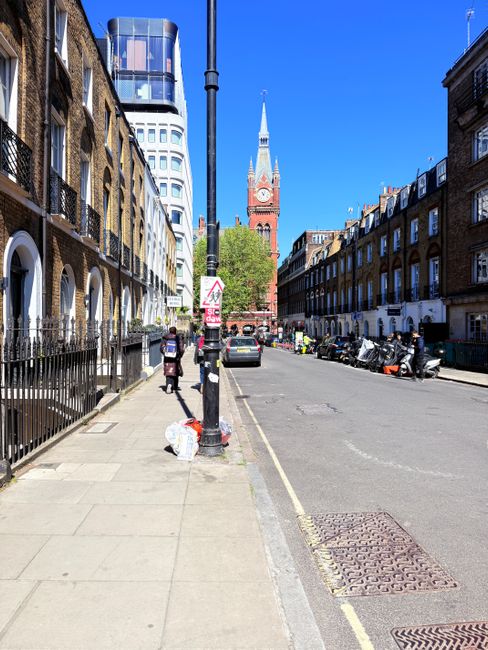
Avoid hidden removals charges in Bermondsey and Southwark
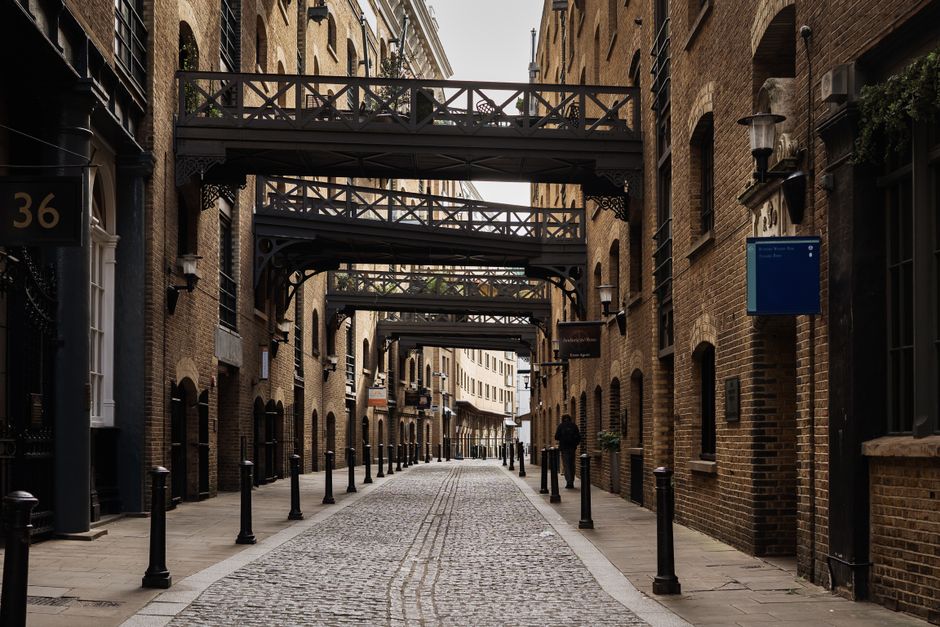
If you are planning a move in Bermondsey or Southwark, the headline price is only half the story. The real headache often starts when a quote looks tidy, then extra fees appear for stairs, parking, waiting time, packing materials, long carries, or access issues that were never made clear at the beginning. Learning how to avoid hidden removals charges in Bermondsey and Southwark can save you money, time, and a fair bit of stress. And let's face it, moving day already has enough going on without surprise costs creeping in at the last minute.
This guide breaks down how hidden removals charges happen, how to spot them early, what to ask before you book, and how to compare quotes properly. You will also find a practical checklist, a simple comparison table, and a realistic example based on the kind of move people often face around SE1, SE16, and the wider Southwark area.
Table of Contents
- Why Avoid hidden removals charges in Bermondsey and Southwark Matters
- How Avoid hidden removals charges in Bermondsey and Southwark Works
- Key Benefits and Practical Advantages
- Who This Is For and When It Makes Sense
- Step-by-Step Guidance
- Expert Tips for Better Results
- Common Mistakes to Avoid
- Tools, Resources and Recommendations
- Law, Compliance, Standards, or Best Practice
- Options, Methods, or Comparison Table
- Case Study or Real-World Example
- Practical Checklist
- Conclusion
- Frequently Asked Questions
Why Avoid hidden removals charges in Bermondsey and Southwark Matters
Hidden removals charges are not just annoying. They can change the whole budget for a move. A quote that seems competitive at first glance can become far less attractive once extra items are added on for things that should have been discussed upfront. In a busy part of London, those extras can show up fast: narrow roads, controlled parking, flats above ground level, lift access that is smaller than expected, or a short notice change in timing.
Bermondsey and Southwark have their own moving quirks. Flats often sit in converted buildings, modern apartment blocks, or streets where access is tight and parking is limited. That matters because some movers price a job based on assumptions rather than a proper survey. If those assumptions turn out to be wrong on moving day, the invoice can jump. Not ideal, to put it mildly.
The point is not to chase the cheapest quote. It is to understand what is actually included. A clearer quote is usually a better quote, even if the headline number is slightly higher. Why? Because it lets you compare fairly, plan properly, and avoid the awkward "well, that will be extra" conversation when the van is already outside and the kettle is still unplugged.
Expert summary: The best way to avoid hidden removals charges is to insist on a detailed, written quote that explains access, labour, parking, materials, waiting time, and any likely extras before you book.
How Avoid hidden removals charges in Bermondsey and Southwark Works
In practice, avoiding hidden charges is about replacing guesswork with detail. A good removals quote should reflect the real shape of the job: how much needs moving, where it is going, how easy it is to load, whether packing is included, and whether there are any foreseeable complications. The more complete the information, the less room there is for surprises later.
Here is how the process usually works when it is handled properly:
- You provide accurate details about your move, including inventory, addresses, floor level, access, parking, and timing.
- The mover assesses the job through a survey, video call, or detailed questionnaire.
- The quote sets out what is included and what might trigger an extra fee.
- You check the fine print for call-out charges, minimum hours, stair fees, fuel charges, packing costs, or waiting-time policies.
- You confirm everything in writing before paying a deposit or booking the slot.
That sounds straightforward, and most of the time it is. But small omissions can turn into big costs. For example, if you forget to mention that your building's lift is out of service, the crew may need longer on site. If you do not mention that access is by a busy one-way street, parking permits or longer carry times may be added. Tiny details. Big difference.
This is also why a proper pre-move survey matters. A quick quote based only on a phone estimate can be useful for a rough budget, but it should never be treated as final unless the company has clearly said so and explained the limits. Honestly, if a mover seems too casual about details, that is usually the detail you should worry about.
Key Benefits and Practical Advantages
Avoiding hidden removals charges is not only about saving money, although that is obviously a major plus. It also gives you control. You know where you stand, what to expect, and how to plan the day without second-guessing every line item.
- Clear budgeting: You can compare quotes on a like-for-like basis instead of trying to decode different pricing styles.
- Less stress on moving day: If the price is already agreed, you are less likely to face awkward surprises.
- Better planning: You can arrange parking, access, packing, and timing more confidently.
- Fewer disputes: A detailed quote leaves less room for disagreement later.
- Improved service quality: Companies that explain pricing properly often tend to handle the rest of the job properly too. Not always, but often enough that it is worth paying attention.
There is also a quieter benefit people often miss: confidence. When you know the quote is transparent, you stop mentally calculating worst-case scenarios every five minutes. That matters more than it sounds. Moving is tiring enough without doing invoice detective work in your head.
In a busy local move, especially around Southwark where access can be tight and time windows can matter, clarity can save the whole day from becoming a muddle.
Who This Is For and When It Makes Sense
This approach makes sense for anyone booking a removal in Bermondsey, Southwark, or nearby parts of central and inner south London. That includes first-time movers, families upsizing, sharers splitting a flat, and businesses relocating offices or stock between nearby addresses.
You especially need to pay attention if any of these apply:
- You live in a flat with stairs or a small lift.
- Your street has limited or restricted parking.
- You have bulky furniture, fragile items, or several rooms of belongings.
- You are moving on a Friday, month-end, or another busy period.
- You need packing, dismantling, or storage as part of the move.
- You are comparing quotes from several different companies.
It also makes sense if you are already uneasy about the price. If a quote feels oddly vague, trust that instinct a little. Maybe not completely, but enough to ask better questions. Most hidden charge problems start when a customer assumes the quote is more complete than it really is.
For landlords, estate agents, and anyone helping a relative move, the same rule applies. The person booking the job should push for clarity before the van is booked, not after the first extra charge is already being discussed in the street.
Step-by-Step Guidance
If you want a simple, practical way to avoid hidden removals charges in Bermondsey and Southwark, use this sequence.
1. Build a realistic inventory
List the rooms, major furniture, boxes, fragile items, and anything awkward like bikes, mirrors, plants, or gym equipment. A rough list is better than nothing, but a detailed list is much better. The difference between "a few boxes" and "20 boxes plus a wardrobe and sofa bed" can change the whole quote.
2. Describe access honestly
Be specific about stairs, lift size, entrance points, parking distance, and whether there are any loading restrictions. In Bermondsey and Southwark, access is often the part that changes pricing. A move from a second-floor flat with no lift is not the same job as one from a ground-floor maisonette, even if the properties are only a few streets apart.
3. Ask what is included
Ask directly whether the quote includes labour, vehicle use, fuel, blankets, straps, wrapping, dismantling, reassembly, packing, and VAT if applicable. Do not assume. The word "included" should be backed by a clear list, not a nod and a smile.
4. Ask what could cost extra
This is where the useful questions happen. Ask about waiting time, long carry distances, congestion delays, stair carries, parking fines, difficult access, last-minute changes, and extra stops. A good company will answer clearly. A slippery one may avoid details, which is a bit of a red flag, truth be told.
5. Request the quote in writing
Written quotes are easier to compare and much easier to rely on if there is a dispute. Email is usually enough if the quote clearly states the scope, exclusions, and pricing basis.
6. Compare the total picture, not just the headline
Two quotes can look different for good reasons. One may include packing materials, while another leaves them out. One may include an estimated number of hours; another may charge by the hour. Compare the full package, not just the first number you see.
7. Confirm the day-before details
Check arrival time, parking arrangements, contact details, and any access changes. This last step is small, but it helps prevent the sort of last-minute confusion that can quietly become an "admin fee" or "delay charge."
One small habit helps a lot: keep all messages in one thread or folder. Boring? Maybe. Useful? Absolutely.
Expert Tips for Better Results
There are a few habits that make a big difference, and they come from real-world moving situations rather than theory.
- Take photos of access points if the property is awkward. A quick picture of the stairwell, entrance, or parking area can prevent misunderstandings.
- Ask for a survey for anything more than a very small move. A video survey can be surprisingly effective if done properly.
- Be careful with vague phrases like "subject to conditions" or "from price." Those can be legitimate, but they need explanation.
- Check whether insurance is included and what it covers. It is not a price issue alone; it is part of the service quality.
- Get clarity on timing if your building has a booking window for lifts or loading bays.
- Ask about weekend or evening rates if your move is outside normal hours.
In our experience, the most useful question is often the simplest one: "What would make this price go up?" It sounds plain, almost too plain, but it cuts through the fluff quickly. A good mover will answer without fuss.
Another tip: if the quote includes optional packing or dismantling, ask whether the price changes if you handle those tasks yourself. Sometimes it does, sometimes it barely moves. Knowing that lets you decide where your time is best spent.
And yes, it is fine to sound a bit fussy. Moving is expensive enough already.
Common Mistakes to Avoid
Most hidden charge problems come from a handful of very ordinary mistakes. Nothing dramatic. Just small oversights that stack up.
- Accepting a quote without a survey for a complicated move.
- Not mentioning access problems such as stairs, narrow hallways, or limited parking.
- Forgetting about packing materials and assuming boxes, tape, and wrapping are included.
- Ignoring the pricing model whether it is fixed price, hourly, or partially estimated.
- Failing to check cancellation or waiting policies in case your completion time changes.
- Comparing only headline figures instead of the full service scope.
- Leaving questions until moving day when it is much harder to negotiate calmly.
One surprisingly common issue is parking. People know the van cannot just appear out of nowhere, of course, but they do not always realise how quickly parking rules, loading restrictions, or a short walk from the property can affect labour time. In a place like Southwark, that matters. A lot.
The goal is not to become obsessive. It is to be accurate. That alone eliminates most unpleasant surprises.
Tools, Resources and Recommendations
You do not need complicated software or specialist knowledge to keep control of removals pricing. A few simple tools do most of the heavy lifting.
- Inventory list: A spreadsheet, notes app, or even a paper list works if it is detailed and kept updated.
- Photo log: Take photos of each room, stairwell, parking area, and anything bulky or fragile.
- Question list: Write down your pricing questions before the survey so nothing gets forgotten.
- Document folder: Keep emails, estimates, and confirmation messages together in one place.
- Timer or move-day schedule: A simple timeline helps if the booking includes hourly labour or access windows.
If you are also comparing moving-related services, a local removals page such as areas we cover can help you understand whether a provider is used to working in your part of London. That does not replace checking the quote, obviously, but it can give some useful context.
You may also find that a dedicated service page such as house removals gives a better sense of what should be included in a standard domestic move. It is often easier to spot missing items when you know what a normal service should cover.
And if you are planning a larger move and want to compare support options, man and van information can be useful for understanding when a smaller, simpler setup makes more sense than a full removals team.
Law, Compliance, Standards, or Best Practice
When removals pricing is discussed in the UK, the key idea is straightforward: the quote should be clear, honest, and not misleading. If a charge is likely to apply, it should be explained before you agree to the service. That is a basic consumer fairness issue as much as a practical one.
Best practice in removals usually means the company should:
- describe what the quote covers and what it does not cover;
- explain any assumptions behind the price;
- make extra charges visible before booking;
- put key terms in writing;
- avoid vague wording that could mislead the customer.
For customers, best practice is just as important. If you do not provide accurate access details, inventory information, or timing constraints, even a fair quote can become inaccurate. It is a two-way street, really. Both sides need to be clear, or nobody wins.
Because rules and contract wording can vary, it is sensible to read the terms carefully and ask for clarification if anything is unclear. If a company seems unwilling to explain how its pricing works, that is usually reason enough to keep looking. Simple as that.
Options, Methods, or Comparison Table
When people compare removals services, they are often comparing more than price. They are comparing risk. That is the bit many pages skip over, but it is what actually matters when you are standing in a hallway surrounded by boxes.
| Approach | Best for | Pros | Watch-outs |
|---|---|---|---|
| Fixed-price quote | Moves with clear details and defined scope | Predictable total, easier budgeting | Needs accurate information upfront |
| Hourly rate | Smaller or less complex moves | Flexible, can suit quick jobs | Costs can rise if access is slow or delayed |
| Survey-based pricing | Flats, larger homes, or awkward access | Usually more reliable and tailored | Takes a little more time to arrange |
| Quote without survey | Very small or simple moves only | Fast to obtain | Higher risk of hidden extras |
For most Bermondsey and Southwark moves, a survey-based or properly detailed fixed-price quote is usually the safer route. Not because every hourly job is bad, but because local access conditions can be deceptive. A short distance on a map can still mean a slower job in real life.
Case Study or Real-World Example
Here is a realistic example. A couple moving from a second-floor flat near Bermondsey wanted a quote for a one-bedroom move to Southwark. On paper, the job looked simple. Two rooms, moderate furniture, not too far. But the building had a narrow staircase, no lift, and a loading bay that could only be used for a short window in the morning.
The first quote they received was temptingly low. The problem was that it barely mentioned access. The second mover asked for photos, checked the stair layout, and clarified whether packing materials, dismantling, and waiting time were included. That quote was a little higher. Not wildly higher, just more honest.
On moving day, the first company would likely have added charges for the stairs, the extra time on site, and possibly the delay caused by parking. The second company had already priced those conditions into the job. So the final bill stayed close to the estimate.
The couple did what many smart customers do after one slightly stressful quote round: they chose clarity over optimism. A sensible move, if ever there was one.
The lesson is simple. A cheaper quote only saves money if it stays cheap.
Practical Checklist
Use this before you confirm any removals booking in Bermondsey or Southwark.
- Have I listed everything that needs moving?
- Have I mentioned stairs, lifts, and floor levels?
- Have I explained parking and loading access?
- Do I know whether the quote includes packing materials?
- Have I asked about waiting charges or minimum hours?
- Do I know whether dismantling and reassembly are included?
- Is the price written down clearly?
- Have I checked whether the quote includes VAT if relevant?
- Have I confirmed the moving date, time, and contact number?
- Do I understand exactly what could add to the final bill?
If you can tick most of those boxes, you are already ahead of most people. Really. Many hidden charge disputes start because one or two of those questions were never asked.
Quick takeaway: the more detailed the quote process, the less room there is for surprise fees later. Clear questions now usually mean a calmer moving day later.
Get a free quote today and see how much you can save.
Conclusion
Avoiding hidden removals charges in Bermondsey and Southwark is mostly about being organised, asking the right questions, and refusing to rely on vague assumptions. That might sound obvious, but obvious is often where the best savings live. A transparent quote, a realistic inventory, and clear access details can remove most of the risk before it has a chance to become expensive.
Whether you are moving out of a compact flat, shifting a family home, or handling a business relocation, the same principle applies: clarity beats guesswork every time. And when the boxes are stacked, the kettle is packed, and the street outside is already busy, that clarity is worth a lot.
Take a little extra time now. It usually pays you back on the day.
Frequently Asked Questions
What are hidden removals charges?
Hidden removals charges are extra fees that were not clearly explained when you first received the quote. They can include waiting time, stair carries, packing materials, parking issues, or access problems that were not discussed in advance.
How can I avoid surprise costs when moving in Bermondsey or Southwark?
Give the removals company accurate details, ask what is included, ask what could cost extra, and get everything in writing. A proper survey helps a lot too, especially in buildings with tricky access.
Is a fixed-price removals quote always better?
Not always, but it is often easier to budget for. A fixed price works best when the mover has enough information to price the job properly. If the quote is based on vague assumptions, it is less reliable.
Why do London removals quotes change so much?
London moves often involve parking restrictions, stairs, lift access, traffic delays, and tighter loading conditions. Those details can have a big effect on labour time and therefore on the final cost.
Should I choose the cheapest quote?
Not automatically. The cheapest quote may leave out important items or assume ideal conditions that do not match your property. Compare what each quote actually includes before deciding.
Do I need to mention stairs if my flat is only one floor up?
Yes. Even a single flight can affect the time and effort involved, especially with large furniture or multiple boxes. It is better to mention it early than argue about it later.
Are packing materials usually included?
Sometimes yes, sometimes no. Boxes, tape, bubble wrap, mattress covers, and wardrobe cartons may be separate. Always ask rather than assume.
What should I ask a removals company before booking?
Ask what is included, what is extra, whether they have surveyed the property, how they charge for delays, and whether parking or access issues could change the price. Simple questions, but they save a lot of grief.
Can parking problems lead to extra removals charges?
Yes. If the van has to park further away, wait longer, or deal with restricted access, labour time can increase. In Southwark especially, parking should be discussed early.
Do removals companies have to tell me about extra fees?
They should clearly explain any likely extra costs before you agree to the move. If something sounds vague or hidden, ask for it in writing. If they will not provide clarity, that is a warning sign.
What is the best way to compare removals quotes fairly?
Compare the full scope of service, not just the headline price. Check labour, materials, access assumptions, timing, insurance, and any conditions that could trigger extras. That is the fair comparison.
How early should I book a removals company in Bermondsey or Southwark?
As early as you reasonably can, especially if you are moving at month-end, on a Friday, or during a busy period. Early booking gives you time to clarify pricing properly, which is half the battle.
What if my completion time changes on moving day?
Tell the removals company as soon as you know. Timing changes can affect waiting time or the order of the job, and it is far better to discuss that early than to leave it until everyone is standing around wondering what happens next.